
Blog — SEO Article
How Product Video Can Transform Your Brand
Discover why product video is one of the highest-leverage tools for your brand — and how to create professional results without a studio or big budget.
·
Dapper
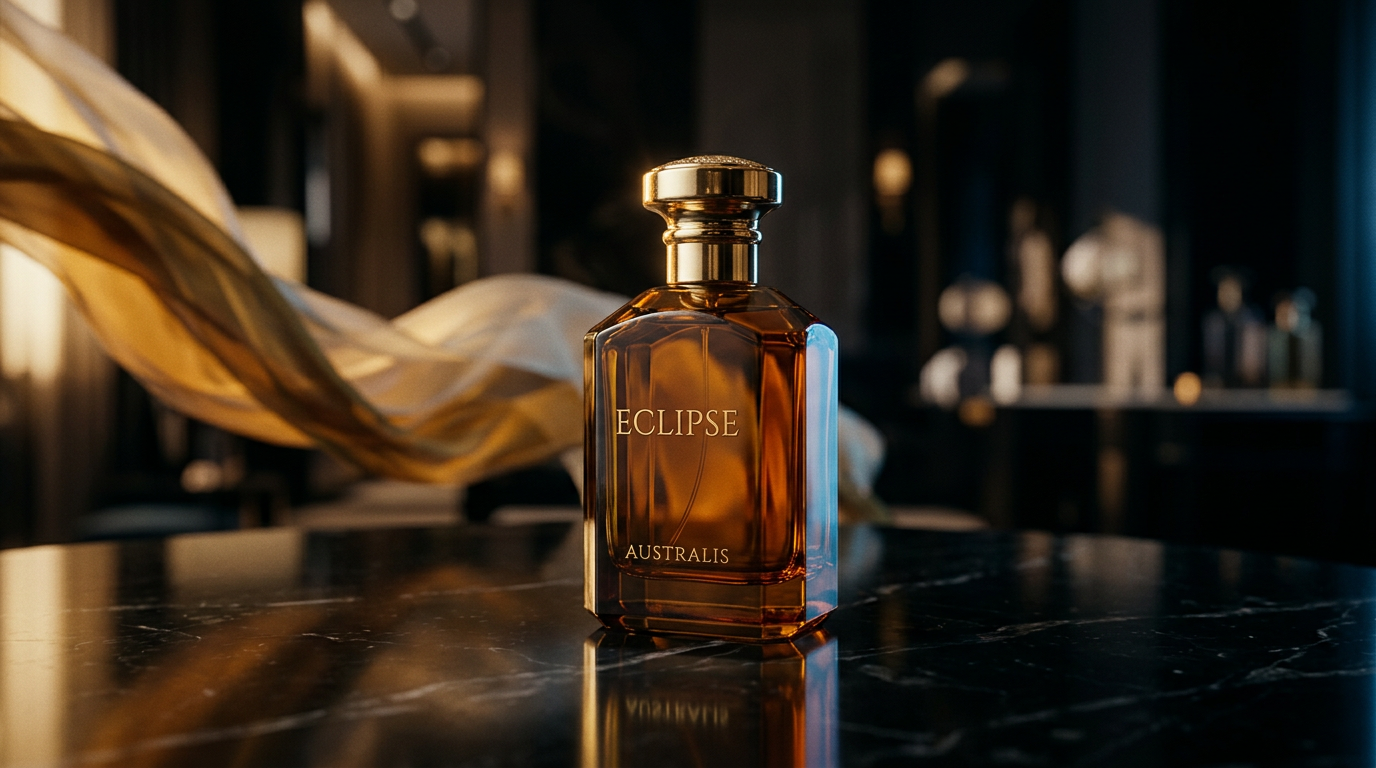

# How Product Video Can Transform Your Brand
Every brand eventually hits the same wall. You have a product worth buying, but the people scrolling past it can't feel that in a still image alone. A **product video** changes the equation entirely — it moves, it demonstrates, it builds trust in seconds that a photograph simply cannot replicate.
This article breaks down why product video is one of the highest-leverage investments a brand can make, what actually distinguishes a great one, and how modern tools have made professional results achievable without a film crew or a five-figure production budget.
## Why Product Video Matters More Than Ever
Attention is scarce. Buyers make snap decisions on product pages and social feeds, often before they've read a single word of copy. A well-crafted short video gives your product a real fighting chance in that window — one that static imagery alone rarely wins.
When someone watches a product video, a few specific things happen:
- **They see the product in context.** Scale, texture, and function become legible in ways a flat image can't convey. A product catching light looks very different in motion than it does in a still.
- **They project themselves into the experience.** Movement triggers imagination. A viewer starts to picture the product in their own life, on their own shelf, in their own hands.
- **They feel more confident buying.** Uncertainty is the primary reason people don't convert. A good product video answers unspoken questions and removes the friction that stops a hesitant buyer from completing a purchase.
The stakes are getting higher too. As more brands invest in video, those that don't begin to look static — and static reads as unreliable to buyers who have better-looking alternatives a scroll away.
## What a Strong Product Video Actually Does
A product video doesn't have to be long to be effective. The best ones are tight — usually under 30 seconds. What makes them work isn't production spectacle. It's clarity, movement, and a visual point of view that feels intentional.
### It communicates your product's value at a glance
The core job is simple: show the product doing what it does, looking the way it looks. If a viewer finishes a 15-second clip with a clear picture of what the product is and why they'd want it, that video has earned its place on the page or in the feed.
### It signals that the brand is worth trusting
Polished visuals act as a proxy for product quality. The reasoning is instinctive: a brand that cares this much about how it presents itself probably cares equally about what it's actually selling. For small and solo brands competing against larger players, a professional product video closes the credibility gap without having to match a bigger competitor's spend.
### It works across every channel you're already using
A strong product video doesn't live in one place. The same clip — or thoughtfully cut variations of it — works across:
- **Product pages**, where it lifts understanding and time-on-page
- **Social feeds**, where motion captures attention before copy has a chance to
- **Paid ads**, where it earns the click and communicates value faster than text
- **Email campaigns**, where a thumbnail linked to video consistently lifts engagement
One well-made piece of video content does a lot of heavy lifting across every surface your brand occupies.

## The Old Barrier to Getting Product Video Made
Until recently, producing a professional product video was genuinely hard for most brands — particularly smaller ones without a dedicated creative team.
Hire a videographer: expensive, slow to coordinate, and dependent on studio availability that rarely fits a fast-moving launch calendar. Film it yourself: viable in theory, but it means learning lighting, equipment, and editing on top of everything else you're already managing. Use generic stock footage: fast and affordable, but the video looks polished while having nothing to do with your actual product.
None of these options worked cleanly. They forced a familiar tradeoff: spend a lot, settle for less, or go without.
Most small brands settled or went without. Not because they didn't understand the value — but because the cost, in money and time, wasn't viable at the volume they needed.
## How AI Has Changed What's Achievable
That tradeoff was real — until AI-generated product video changed the calculation.
Tools like Contease let brand owners turn a product photo into a short cinematic product video without prompt engineering, without a camera, and without outsourcing to a production team. The workflow is: add your product, select a visual style, and generate. The system studies the actual product — its shape, colour, finish, and form — then builds video tailored to what it finds.
That distinction matters more than it might seem. The output isn't generic footage that happens to look good. It looks like *your* product in a visual world that belongs to your brand.
For a founder managing multiple SKUs, or a solo brand maintaining consistent visual output across seasonal launches, this changes what's achievable in a week. [INTERNAL LINK: AI product photography for small brands]
### What to look for when evaluating AI video tools
Not all tools produce the same results. The things that determine whether output is actually usable:
- **Does it study the actual product, or generate something plausible-looking?** Product-specific output and generic AI footage are meaningfully different.
- **Does it require prompt engineering?** Prompts are their own skill. Tools that don't need them remove a real barrier.
- **Does the output feel cinematic?** The goal is video that looks intentional — not footage that signals its origins to a viewer who's seen a lot of it.
## Making Product Video a Repeatable Part of Your Brand
The brands that consistently win on visual content aren't always the ones with the biggest budgets. They're the ones with a reliable, repeatable process.
In practice, that means:
1. **Establishing a visual style** so every video feels like it belongs to the same brand world, regardless of which product is in frame.
2. **Producing video at launch** — not three weeks after a product has already been live.
3. **Repurposing strategically** — cutting one piece into shorter clips for different placements and formats.
4. **Refreshing seasonally** — same product, updated visual context, keeps the brand feeling current.
None of this requires a large team. It requires a process and tools that make that process fast enough to actually sustain.
## Start Putting Product Video to Work
Product video is no longer a premium line item reserved for brands with serious production budgets. It's the baseline for brands that want to compete seriously on trust and visibility.
The old barrier was real. Today it isn't — and that shifts the cost of not having video. Every week without professional product video is a week where a competitor with the same product but sharper visuals has an advantage.
If product video isn't yet part of your brand's regular output, the right time to change that is now. Try Contease and see what your product looks like in motion — no studio, no crew, no prompts required. [[INTERNAL LINK: Getting ](https://contease.ai)started with Contease]

Dapper